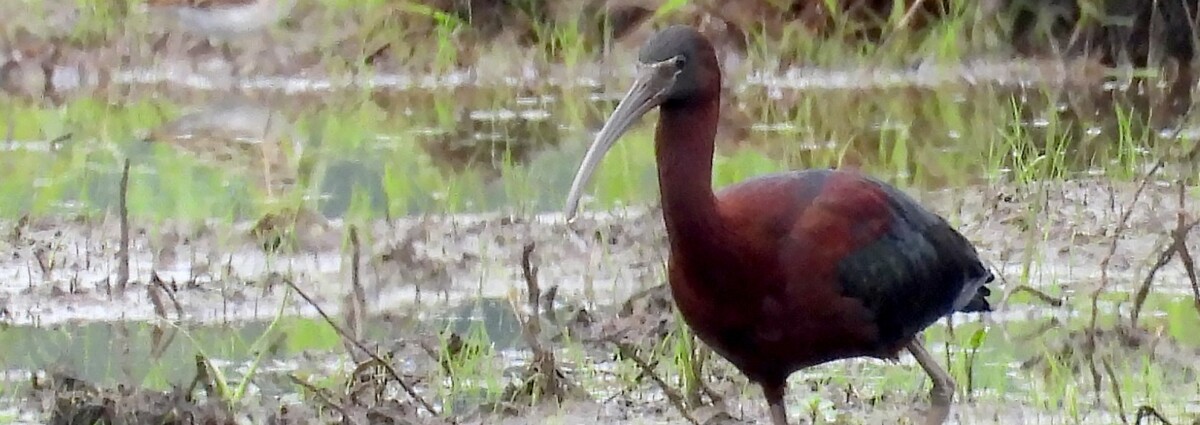
From the quiet marshes of Vienna to the wooded ridges east of Parkersburg, the Mid-Ohio Valley is alive with birdsong in every season. This part of West Virginia offers a surprising variety of habitats—forests, meadows, rivers and wetlands—that attract hundreds of species throughout the year. Whether you’re an experienced birder or someone who simply enjoys the thrill of spotting a flash of wings, the Greater Parkersburg area offers rewarding opportunities to get outside and connect with the natural world.
Spring: A Migration Hotspot
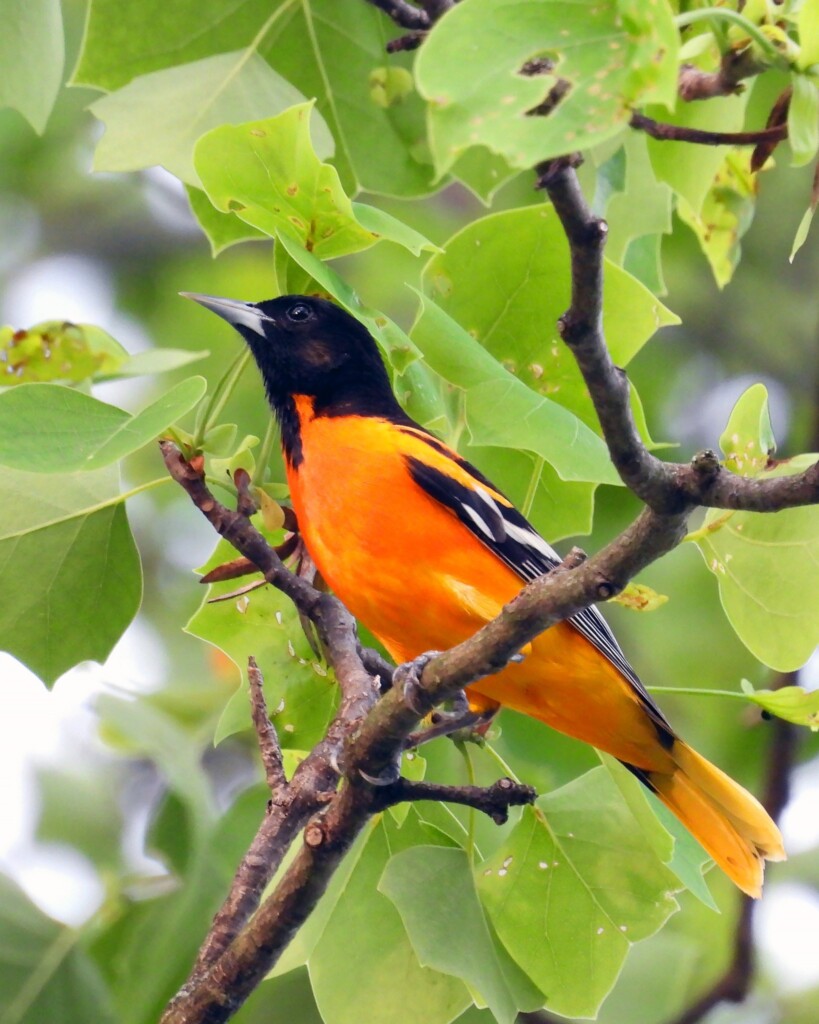
When spring arrives, the skies and treetops fill with movement. Neotropical migrants—songbirds such as warblers, vireos, tanagers and orioles have wintered as far south as Bolivia—arrive after travelling thousands of miles. Some, like the Blackburnian warbler or blue-headed vireo, pause briefly to refuel before continuing north. Others, such as scarlet tanagers and cerulean warblers, stay to build nests in the region’s mature forests.
In fact, 17 species of warblers breed here each year, making the area a magnet for birders eager to see a wide variety in a compact region. Look for prothonotary warblers near wetlands, the ovenbird deep in the woods, or a Louisiana waterthrush along shaded streams. Even species in decline, like the ruffed grouse, still find breeding grounds in local forests.
Summer: Forests, Meadows, and Backyards
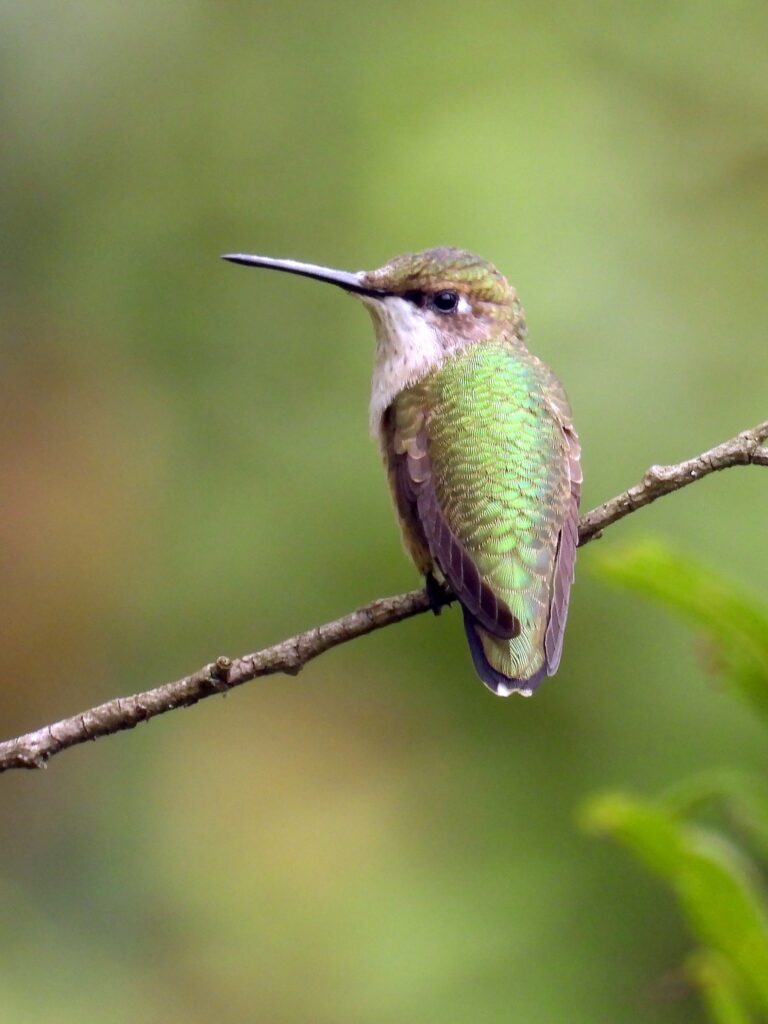
By summer, the landscape is alive with nesting activity. Red-shouldered hawks circle above suburban neighborhoods, while chimney swifts chatter as they dart across the evening sky. Backyard feeders attract a colorful cast of regulars—ruby-throated hummingbirds, tufted titmice, blue jays, and goldfinches among them.
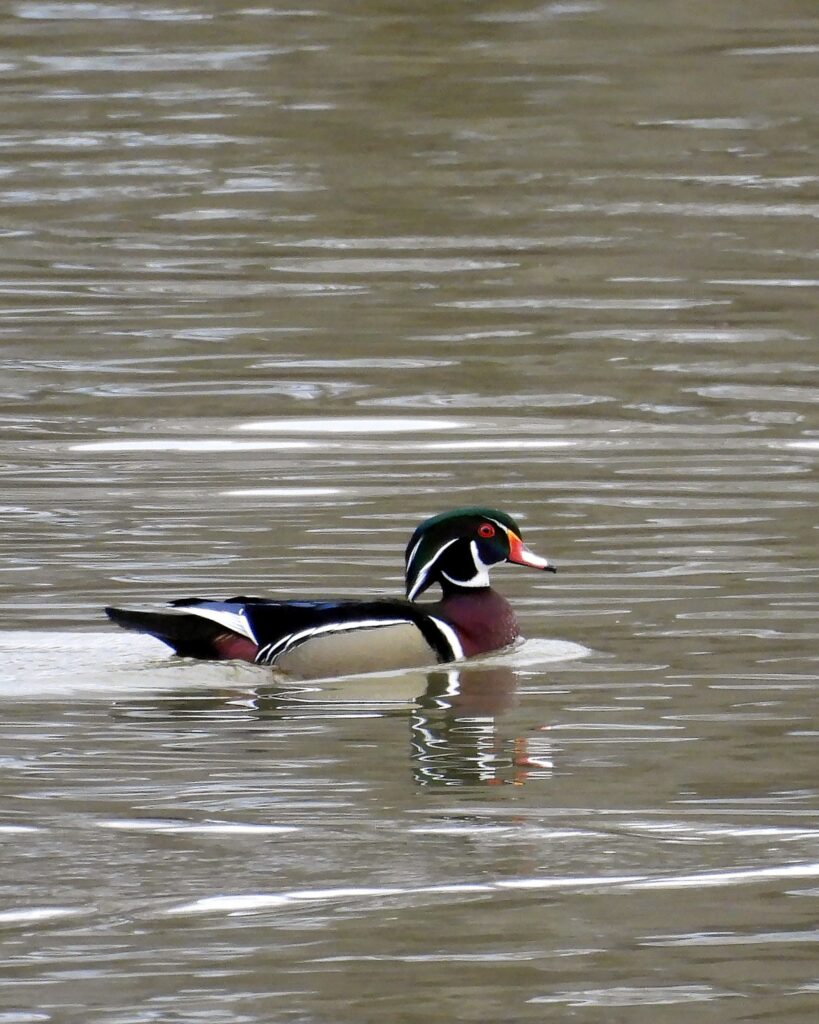
Drive the backroads in May and June and you’ll hear the songs of eastern meadowlarks, prairie warblers, and indigo buntings drifting across farm fields and meadows. Wetlands and river backwaters host green herons, belted kingfishers, and spotted sandpipers, while wood ducks paddle quietly along marsh edges.
Fall: The Return Journey
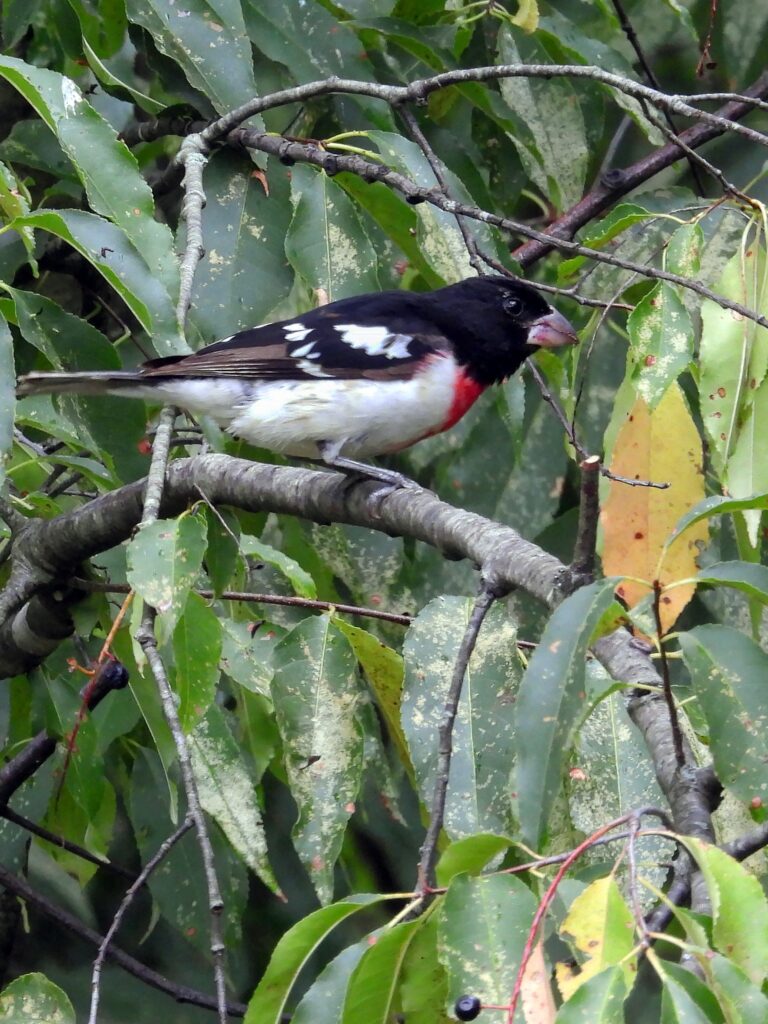
Migration begins again as early as August. Wading birds—greater and lesser yellowlegs, great egrets, and little blue herons—appear along the Ohio and Little Kanawha rivers. In September and October, wooded areas come alive with the movement of songbirds heading south. Watch for magnolia and bay-breasted warblers, rose-breasted grosbeaks, and Philadelphia vireos passing through on their way to wintering grounds.
It’s a season of constant change—every day brings a new mix of travelers passing through the Valley.
Winter: Eagles and Waterfowl
Winter brings its own highlights. Along the rivers, nearly thirty species of ducks, geese, grebes, and loons can be spotted in a good year. From pintails to canvasbacks, buffleheads to red-breasted mergansers, the variety is impressive for a region far from the Great Lakes. Rare species occasionally turn up as well—keen-eyed birders have documented tundra swans, harlequin ducks, and even uncommon gulls like the glaucous.
Perhaps the most spectacular winter sight, however, is the bald eagle. From November through January, eagles gather along the rivers, sometimes twenty or more at a time. Watch for them perched in trees along backwaters or soaring near the dams. Though most abundant in winter, several pairs now nest locally and can be seen throughout the year.
Sparrow enthusiasts will also find plenty to enjoy. Overgrown fields and brushy edges host winter visitors such as white-throated, white-crowned, and swamp sparrows, each one adding subtle variety to the muted winter palette.
Planning Your Birding Adventure
The beauty of birding in Greater Parkersburg is its accessibility. You don’t need to be an expert—or even own specialized equipment—to enjoy it. A good pair of binoculars and a little patience go a long way.
- Best beginner-friendly spots: Fort Boreman Historical Park (great views and easy access) and McDonough Wildlife Refuge (short trails and marsh habitats).
- For longer outings: North Bend State Park and Mountwood Park offer expansive forests and diverse habitats.
- When to go: Spring and fall are prime times for migration, but each season brings its own rewards—from summer hummingbirds to winter eagles.
Birding here is about more than tallying species—it’s about noticing the rhythms of the seasons and the way each habitat plays its part in the larger story. Whether you’re scanning riverbanks for waterfowl in January or listening for warblers in May, the Greater Parkersburg area offers a front-row seat to the cycles of migration and life that connect West Virginia to the wider world.
An in-depth Birding Trail Guide can be found here. So grab a pair of binoculars, step outside, and let the birds show you the Valley in a new way.
 Sign up for our Newsletter
 Group Tour Information
 Read the Latest Blog